|
|
|
|
|
|
|
|
|
|
Camel
Manufacturer : Sopwith
SOPWITH CAMEL: was the most successful fighter of World War one. Claiming almost 3,000 air victories. The prototype of the Sopwith camel first flew in December 1916, and its first combat mission began in June 1917. joined 4 squadron RNAS based near Dunkirk. The first Royal Flying Corp squadron to receive the aircraft was no. 70 squadron. The Sopwith camel was the first designed fighter to have two forward firing machine guns. Its design gave it amazing maneuverability and aerobatic qualities. and was perfectly suited for aerial dog fighting. Squadron after squadron was re equipped with the camel and by the end of February 1918 13 squadrons were fully operational with the aircraft along the western front. Also used on the Italian Front with 3 squadrons equipped. This figure increased with a total of 19 squadrons equipped on the western front by August 1918. This included two squadrons no. 151 and 152 for night fighter duties. in June 1918. There was also a naval version of the Sopwith camel. the 2F.1s which gradually replaced the Sopwith Pup and other naval aircraft. The Naval version most memorable fete was done by Lt S D Culley who took off from a towed wood platform and destroyed the Zeppelin L.53 on the 10th August 1918. also on the 18th July six aircraft took off from the forward deck of HMS Furious to bomb the Zeppelin base at Tondern which they successfully did destroying two Zeppelins L.54 and L.60. This was the first time carrier borne aircraft had destroyed a land base installation. In total 5597 F.1s and 317 2F.1s were ordered but there may have been 200 less built. Performance. speed: 113mph at 10,000 feet. service ceiling 19,000 feet. Armament: two fixed forward firing Vickers .303 machine Guns. or one .303 forward firing and one .303 Lewis Gun |
Camel
  Tribute to William F Dickson by Ivan Berryman. |   Homeward Bound - Sopwith Camel by David Pentland. (PC) |   The Final Curtain by Ivan Berryman. (PC) |   Rittmeister Karl Bolle by Ivan Berryman. (PC) |
Camel Artwork Collection |
  Last But One by Ivan Berryman. |   Clipped Signature - Leonard Rochford. |   Clipped Signature - Norman Macmillan. |
  Clipped Signature - Lord Harold Balfour of Inchyre. |   Manfred Von Richthoffen (The Red Baron) by Tim Fisher. |   The Sky Warriors by Anthony Saunders. |
  Homeward Bound - Sopwith Camel by David Pentland. |   A Hand of Aces by Ivan Berryman. |   Gotha G. V. by Ivan Berryman. |
  Rittmeister Karl Bolle by Ivan Berryman. |   Leutnant d R Richard Wenzl by Ivan Berryman. |   Captain Roy Brown engages the Red Baron, 21st April 1918 by Ivan Berryman. |
  Leutnant Wolfram von Richthofen by Ivan Berryman. |   Sopwith Camel by Anthony Saunders. |   Donald MacLaren by Ivan Berryman. |
  Gefreiter Jakob Tischner - Roland D.VIa by Ivan Berryman. |   Captain Arthur Henry Cobby by Ivan Berryman. |   The Final Curtain by Ivan Berryman. |
  Richthofens Flying Circus by Nicolas Trudgian. |   Patrolling the Line by Gerald Coulson. |   Knights of the Sky by Nicolas Trudgian |
 The Big Push - Passchendaele 1917 by Anthony Saunders. |   Tribute to the RFC and RNAS by Ivan Berryman. | Tribute to William F Dickson by Ivan Berryman. |
 Sopwith Camel Aces of World War One. |   High Patrol by Robert Taylor. |   Balloon Buster by Robert Taylor. |
  Fast and Furious by Stan Stokes. |  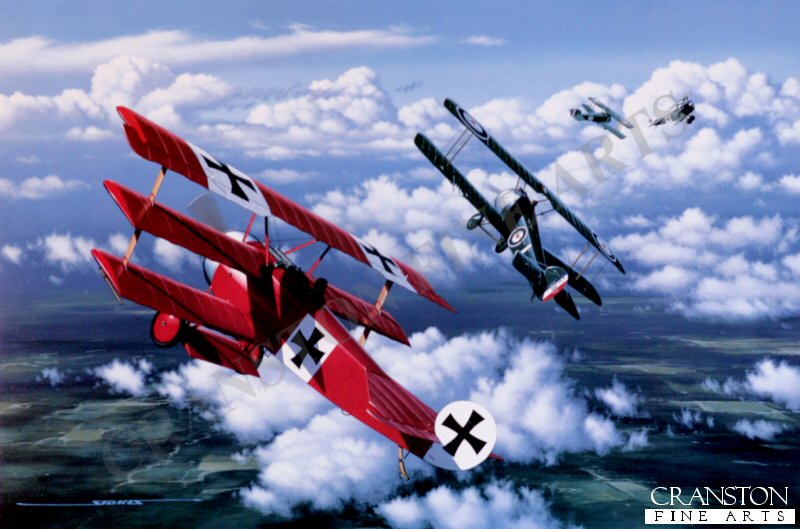 The Ringmaster by Stan Stokes. |
| Top Aces for : Camel | ||
| A list of all Aces from our database who are known to have flown this aircraft. A profile page is available by clicking the pilots name. | ||
| Name | Victories | Info |
| John Inglis Gilmour | 39.00 | |
| Walter MacFarlane Carlaw | 12.00 | |
| Ernest James Salter | 9.00 | |
| George Henry Hackwill | 9.00 | |
| Francis Mansel Kitto | 9.00 | |
| Reginald Stuart Maxwell | 9.00 | |
| Henry Hollingdrake Maddocks | 7.00 | |
| Oliver Manners Sutton | 7.00 | |
| Michael Edward Gonne | 5.00 | |
| Camel Squadron details |
No.208 Sqn RAF Country : UK Known Codes : , GA, RG, | No.208 Sqn RAF Vigilant |
No.54 Sqn RAF Country : UK Known Codes : , KL, DL, HF, | No.54 Sqn RAF Audax omnia perpeti - Boldness to endure anything |
| Camel Pilot and aircrew signature details |
 Flight Lieutenant Henry Botterell Our estimated value of this signature : £80 Died : 2003 | Flight Lieutenant Henry Botterell First World War fighter pilot with the Royal Flying Corps. Born in 1896, Henry Botterell joined the Royal Naval Air Service in Canada, and in 1916 sailed for England where he trained as a pilot to fly fighters. In 1917 he was posted to France, joining an operational squadron on the Western Front, butan engine failure on his second take off brought his flying to an abrupt conclusion, forcing him to spend several months in hospital and convalescing back in England, where he was demobilised. After a chance meeting with pilots on leave in England with whom he had trained, Henry applied to rejoin the service and was accepted. Re-qualifying as a fighter pilot, in early 1918 he returned to operational combat flying in France with 208 Squadron Royal Flying Corps. Flying Sopwith Camels he saw active service with 209 Squadron for the remainder of the war until the Armistice in November. Staying in France as part of the continuing Force he eventually returned to Canada in 1919 - bringing back with him a fence post which the wing of his Camel had collected on one of his many low level sorties. The post now resides in the War Museum in Ottawa. Henry died in 2003. |
|
Contact Details |
|
Sign Up To Our Newsletter!
This website is owned by Cranston Fine Arts. Torwood House, Torwoodhill Road, Rhu, Helensburgh, Scotland, G848LE Contact: Tel: (+44) (0) 1436 820269. Email: cranstonorders -at- outlook.com
|
 |




